VIP member
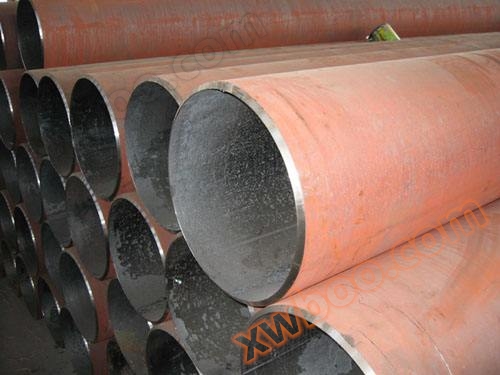
Thick walled welded steel pipe
Thick walled welded steel pipes, also known as thick walled welded pipes, can be manufactured using three basic methods: cold drawing, cold rolling, a
Product details
Thick walled welded steel pipes, also known as thick walled welded pipes, can be manufactured using three basic methods: cold drawing, cold rolling, and hot rolling. Steel pipes made of materials such as 10 #, 20 #, 35 #, and 45 # are called ordinary steel pipes, while 16Mn is called low-alloy steel pipes between ordinary steel pipes and alloy steel pipes. Steel pipes made of materials such as 27SiMn, 12Cr1MoV, 10CrMo910, 15CrMo, 35CrMo, and stainless steel pipes are collectively referred to as alloy steel pipes. Divided by purpose into seamless steel pipes for structural use; Seamless steel pipes for transportation; Seamless steel pipes for boilers; High pressure seamless steel pipes for boilers; High pressure seamless steel pipes for fertilizer equipment; Seamless steel pipes for geological brick exploration; Seamless steel pipes for petroleum brick exploration; Seamless steel pipes for petroleum cracking; Seamless steel pipes for ships; Cold drawn and cold-rolled precision seamless steel pipes; Various alloy pipes.
The biggest difference between thick walled steel pipes and thin-walled steel pipes lies in the thickness of the steel pipe wall. Generally speaking, thin-walled steel pipes are cold drawn, while thick walled steel pipes are generally hot-rolled. If distinguished by measurement units, it is generally believed that a wall thickness/pipe diameter of 0.02 is the watershed between thick walled steel pipes and thin-walled steel pipes. Thin walled steel pipes are those with a wall thickness/pipe diameter less than 0.02 and those with a diameter greater than 0.02. In terms of usage, thin-walled steel pipes are mostly used in pipelines. Thick walled steel pipes are often used as blanks for hollow parts. Used under pressure and on important pipelines.
Thick walled welded steel pipes are mainly used in water engineering, petrochemical industry, chemical industry, power industry, agricultural irrigation, and urban construction. Used for liquid transportation: water supply and drainage. Used for gas transportation: coal gas, steam, liquefied petroleum gas. Used for structural purposes: as pile driving pipes, as bridges; Pipes for docks, roads, building structures, etc.
The commonly used materials for thick walled steel pipes in China are: 10 # 20 mn 42crmo 36CrMo 40Cr 20Cr 15CrMo 12Cr1Mov Q235A,Q235B、0Cr13、1Cr17、00Cr19Ni11、1Cr18Ni9、0Cr18Ni11Nb、16Mn、20#、45#,Q345、L245、L290、X42、X46、X70、X80。
The key to the quality of thick walled steel pipes is the uniformity of wall thickness. If the wall thickness of thick walled steel pipes is not controlled, it will directly affect the quality and use of the steel pipes. Thick walled steel pipes and large-diameter thick walled steel pipes are generally used in various mechanical processing and thick walled part processing. The uniformity of the wall of thick walled steel pipes will directly affect the quality of later processed parts. If the wall of thick walled steel pipes is not controlled, the overall quality of the steel pipe will not be strictly controlled. The site or warehouse for storing thick walled steel pipes should be chosen in a clean and well drained area, away from factories or mines that produce harmful gases or dust. Weeds and all debris should be removed from the site, and thick walled steel pipes should be kept clean. Do not stack thick walled steel pipes together with corrosive materials such as acid, alkali, salt, cement, etc. in the warehouse. Thick walled steel pipes of different varieties should be stacked separately to prevent confusion and contact corrosion. Large section steel, steel rails, corrugated steel plates, large-diameter thick walled steel pipes, forgings, etc. can be stored outdoors.
Online inquiry
-
Contacts
-
Company
-
Telephone
-
Email
-
WeChat
-
Verification Code
-
Message Content
-